

Hear It From the Experts
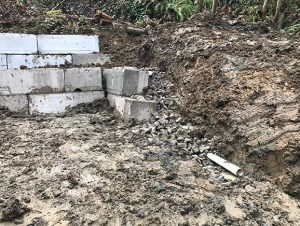
What is the Best Type of Retaining Wall for Clay Soil in Seattle?
Understanding Clay Soil in Seattle Seattle’s landscape is known for its hills, rain, and a challenging soil type: clay. Clay soil is dense, slow-draining, and prone to shifting when wet or dry. These characteristics make it crucial to choose the right type of retaining wall to prevent erosion, structural failure, and water buildup. At Seattle…
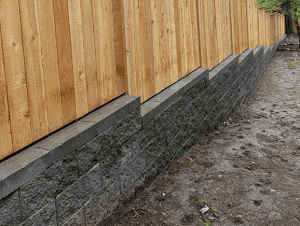
Navigating Shared Property Lines: Fences, Retaining Walls, and Neighborly Communication
In Seattle’s diverse neighborhoods, where properties often sit close together, managing shared property lines can be both a practical and interpersonal challenge. Whether you’re considering building a new fence, repairing a retaining wall, or simply clarifying boundaries, understanding the legal framework and fostering open communication with your neighbors is essential. Understanding Property Lines and Legal…
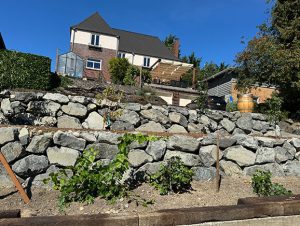
Retaining Wall Ideas for Sloped Yards
If you live in the Pacific Northwest, chances are your yard doesn’t sit flat. Sloped landscapes are common in our region—from the hills of Seattle to the edges of the Cascades—and while they offer beautiful views, they can be a real challenge when it comes to landscaping. That’s where retaining walls come in. At Seattle…
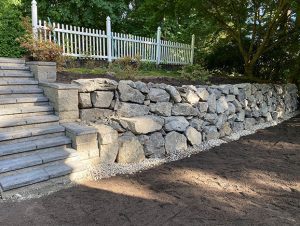
Spring Retaining Wall Maintenance Tips for Pacific Northwest Homeowners
As the Pacific Northwest shakes off winter and welcomes spring, homeowners should take the time to assess and maintain their retaining walls. The region’s wet climate and fluctuating temperatures can take a toll on hardscapes, making spring the perfect season for proactive maintenance. Here are some essential tips to keep your retaining wall in top…
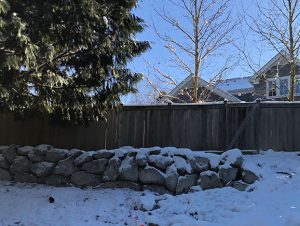
How Freezing Conditions Can Impact Your Retaining Wall in the Pacific Northwest
The Pacific Northwest is known for its mild, wet winters rather than extreme cold. However, we do experience stretches of freezing temperatures that can pose challenges for outdoor structures, including retaining walls. Even a few weeks of below-freezing conditions can lead to damage if a wall is not properly designed or maintained. Understanding how cold…
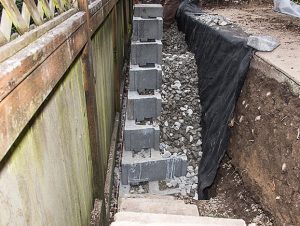
How to Ensure Proper Drainage Behind a Retaining Wall in the Pacific Northwest
Proper drainage behind a retaining wall is essential in the Pacific Northwest, where prolonged rainfall can saturate soil and create pressure against the wall. A well-designed drainage system typically combines drain rock, a perforated drainage pipe or French drain, geotextile fabric, appropriate grading, and, where needed, weep holes to move water away from the structure.…

DIY vs. Hiring a Professional Contractor for Hardscape Projects
In Seattle’s dynamic landscape, homeowners often face the choice between DIY and hiring a professional for key landscaping features. This article explores the advantages of opting for an expert like Seattle Rockeries for projects involving retaining walls, rockeries, pavers, and more. Expertise in a Variety of Services: Seattle Rockeries stands out with a wide range…

Benefits of Starting Hardscaping Projects in Fall and Winter
At Seattle Rockeries, we specialize in transforming outdoor spaces with professional hardscaping services, especially during the cooler fall and winter months. Our expertise in working with rockery walls, concrete retaining walls, pavers, and flagstones makes us the go-to choice for enhancing your landscape in Seattle. Discover the compelling reasons to start your hardscaping project now.…

Which Material is Best for Pacific Northwest Retaining Walls?
In the Pacific Northwest, where you often encounter wet and rainy conditions, it’s essential to choose materials for retaining walls that can withstand moisture and provide proper drainage. Seattle Rockeries uses only the highest quality materials, locally sourced from Mutual Materials. Here are some suitable options for retaining walls in the Pacific Northwest: Concrete Blocks…
- « Previous
- 1
- 2
- 3
- 4
- Next »